
Guided Meditation – Anāpānasati
This is a short 15-minute guided anāpānasati practice. Simply meaning ‘mindfulness of breathing,’ anāpānasati was the meditation practice most widely emphasized by the Buddha. It is a practice in which mindful breathing is used to develop samadhi (concentration) and achieve the state of shamatha (calm abiding) and is especially suited for those who are prone to rumination and overthinking.
How to Stop Thoughts in Meditation
In this episode, Dassetu addresses the question ‘how to stop thinking 1000 thoughts during meditation?’ Talking practically from his own experience and what’s been taught by contemplatives for thousands of years, he explores key practices for those prone to rumination and suggests some helpful tips.
What to Do When You Feel Sad
In this episode, Dassetu addresses the question: what to do when I feel sad and overwhelmed? In modern life, in the pursuit of a successful and happy life, we have a tendency to abuse the mind without even realising it. This leaves us feeling unbalanced, detached, unhappy, easily overwhelmed, and at times unable to function. These are symptoms of an unbalanced mind that is being abused. Now is the time to learn the art of grounding yourself, countering this abuse by cultivating emotional balance, and ridding ourselves of negative minds.
Guided Meditation – Settling the Body, Speech and Mind in their Natural States
This is a 15-minute guided meditation in which we engage in the practice of settling body, speech and mind in their natural states. This practice is a wonderful preparation for any meaningful endeavour and can be used as a meditation in itself or as a preliminary practice to a longer meditation session. The purpose of the practice is to settle the body, speech & mind with the three qualities of relaxation, stillness & clarity. By practising in this way, our mind will settle, and it’s luminous, peaceful, blissful and non-conceptual nature will reveal itself.
Why You Should Meditate

In this episode, Dassetu answers the question ‘Why Meditate?’ and explains why everyone should meditate. When we first try to meditate, we notice that our mind is all over the place. This experience shows us how little control we have over our mind. Having so little control over our mind is the reason why we experience negative feelings and are not able to be happy. Meditation is more than just a fun way to relax, it is essential if we want to experience our deepest wish which drives our day-to-day life – the wish for lasting happiness and freedom from painful feeling.
Overcoming Anxiety and Worry
In this episode, Dassetu explores anxiety, worry, and stress – how they arise in our mind, how we can overcome them, and some practical tips for what to do about any anxiety and worry that we are experiencing right now. In our life, it can seem that there is so much to worry about and be anxious over, especially in the middle of the coronavirus pandemic, and so now more than ever it is important to distinguish between outer problems and situations, and the inner problem of our uncontrolled and turbulent mind.
Genuine Happiness
In this episode, Dassetu introduces the Samadhi Podcast and discusses a core Buddhist theme: Genuine Happiness. The desire to be happy and free from any form of discomfort or suffering is a desire common to all sentient beings; from small insects to animals, to humans. But, despite this desire and all our efforts, have we really found the happiness, fulfilment and contentment that we seek? Why does this happiness seem so elusive?
Are mindfulness and meditation the same thing?
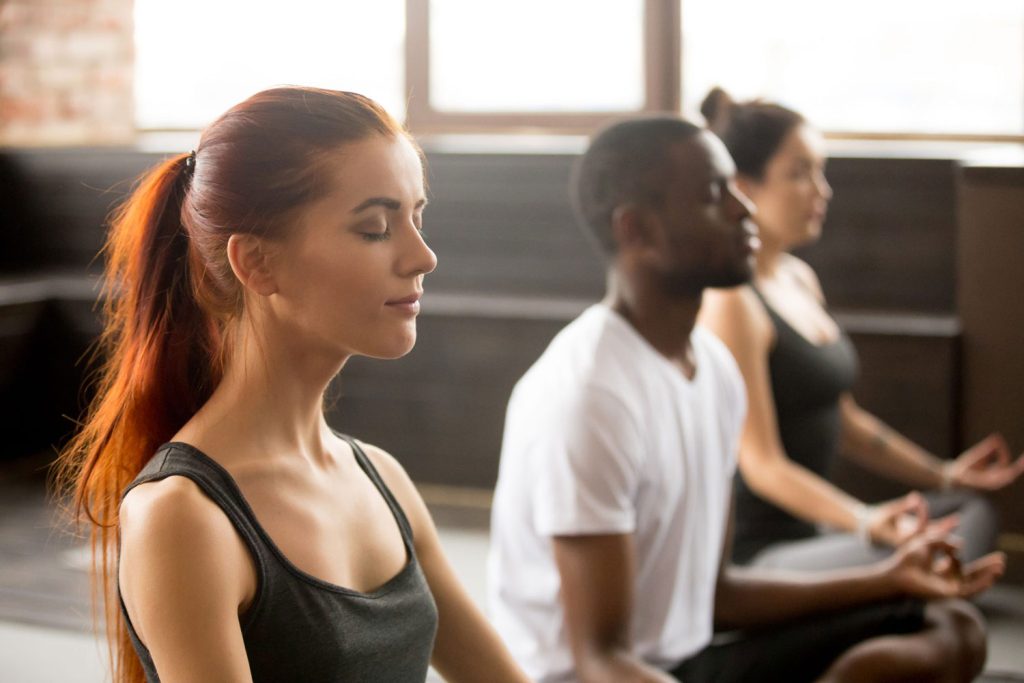
Have you ever wondered whether you were using the words mindfulness or meditation correctly? It’s no surprise as there is a lot of confusion over the terms mindfulness and meditation, with some people using them interchangeably, and some people using the term mindfulness meditation. Because of this, one thing people often ask is: are mindfulness and meditation the same thing?

